Hydrotherapy has grown into an essential part of current sports recovery because it uses hydro-based methods to assist the body’s innate healing processes. Sport participants often experience post-exercise stiffness, inflammation, and reduced mobility after high-intensity workouts. By using heated immersion, cold water, or a combination of both, hydrotherapy helps minimize these effects in a structured and effective way. This form of water-based modality promotes circulation, enhances muscle calming, and provides a reduced-stress setting for recovery exercises.
One of the most valued benefits of hydrotherapy is its ability to enhance blood flow. Warm-water immersion can expand blood vessels, which supports the delivery of key resources to fatigued muscles. Cooling therapy, often used after strenuous workouts, limits swelling and muscle damage by cooling tissues and moderating inflammation. Many athletic programs now use contrast water therapy, which alternates between hot and cold water to promote accelerated recovery. These techniques make hydrotherapy a versatile option for addressing a variety of post-exercise conditions.
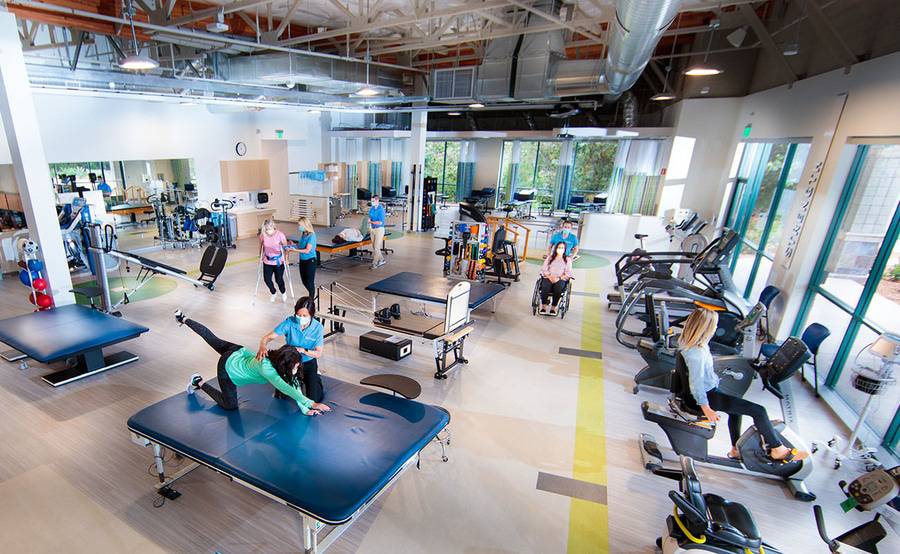
Hydrotherapy is also beneficial for minimizing muscle tension and promoting mobility. Water’s natural buoyancy takes pressure off joints, allowing athletes to increase range of motion during recovery activities. This is especially useful for individuals recovering from injuries such as sprains, strains, or tendon issues. Underwater exercises, including light walking, stretching, and water-resisted motions, aid in restoring strength without placing additional stress on healing tissues. Because of this, aquatic treatment has become a trusted technique in both physical therapy settings and sports browse around here performance centers.
Another important feature of hydrotherapy is its impact in psychological recovery. Athletes frequently face stress from competitive environments, performance pressures, and body strain. Heated aquatic therapy can aid in relaxation by soothing the nervous system, lowering muscle tightness, and promoting a sense of comfort. This can enhance restfulness, focus, and overall performance. When combined with review proper hydration, balanced nutrition, and structured rest, hydrotherapy holds an important role in supporting an athlete’s ongoing well-being.
Overall, hydrotherapy offers a effective and evidence-based approach to post-training rehabilitation. Through thermal therapy methods, water-supported motion, and improved circulation, water treatment helps the body recover more efficiently. As sports programs continue to emphasize recovery and injury prevention, hydrotherapy remains a dependable tool for boosting performance and assisting individuals during both conditioning and rehabilitation.